
At the Ilayankudi Farm Field School, chilli farmers cut weeding labour by 50% by shifting from traditional practices to ridge-based zigzag planting. This reduced costs by ₹1,250 per weeding cycle and delivered savings of ₹3,750 per crop. A clear case of how smart farming strengthens both farmer incomes and FPO margins.
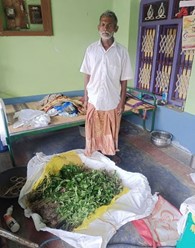
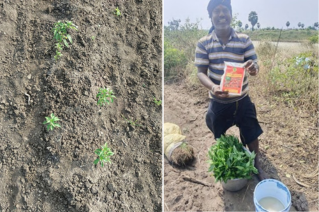
As Farmer Producer Organisations (FPOs) face rising input costs and shrinking margins, safeguarding profitability has become a strategic priority. One key solution lies in moving farmers away from labor-intensive traditional practices and towards technology-driven cultivation methods that reduce production costs while improving the quality of produce supplied to FPOs.
This shift was clearly demonstrated at the Ilayankudi Farm Field School (FFS), where a focused intervention aimed to modernize chilli cultivation. Farmers participated in a comparative trial that evaluated conventional planting methods against a new ridge-based zigzag planting technique.
The results were striking. Under traditional practices, weeding operations required nearly 10 man-days—typically involving five laborers working for two full days. With the adoption of the new planting method, labor demand was cut in half, bringing weeding down to just 5 man-days.
This improvement translated directly into economic gains for farmers. At an average daily wage of ₹250, each weeding cycle now saves ₹1,250. Since chilli cultivation requires three such weeding cycles per crop, farmers stand to gain ₹3,750 per crop cycle purely through labor cost reduction.
Beyond savings, the intervention highlights a broader lesson for FPOs: technology adoption at the farm level not only improves individual farmer incomes but also strengthens the overall procurement efficiency and competitiveness of the producer organisation.
