
The Jeevidam team facilitated a two-day immersive learning programme for the final-year PG Diploma students of The DHAN Academy (TDA) on 15th and 16th November 2025, blending conceptual learning with hands-on field exposure to strengthen their understanding of livelihood institutions.
Day One: Conceptual Foundations (15 November 2025):
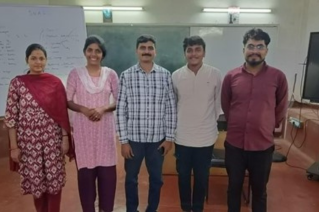
The first day focused on strengthening students’ conceptual clarity on livelihood development through highly interactive classroom sessions. Using a simple whiteboard-and-marker approach, the discussions encouraged critical thinking and practical application.
Students presented value chain analyses of crops such as paddy, soybean, sugarcane, wheat, and potato-based products. The sessions helped them clearly differentiate between supply chains and value chains, understand cost build-ups, processing losses, and the role of intermediaries in value addition.
The team also introduced the Jeevidam institutional ecosystem, highlighting its multi-livelihood approach covering farmers, weavers, and NTFP collectors across diverse ecological regions. Sessions on FPC legal compliances and sustainability planning emphasized the importance of feasibility studies, sound business planning, market linkages, and community-led governance from the inception stage.
Day Two: Learning from the Field (16 November 2025):
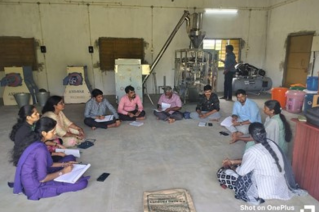
On the second day, students visited the Mudukulathur Kalanjia Jeevidam Farmer Producer Company Limited, gaining first-hand exposure to the functioning of a farmer-owned enterprise. Interactions with the CEO and Board leadership offered valuable insights into governance practices, aggregation strategies, and real-world operational challenges.
A visit to the FPO’s chilli processing unit further enriched the learning experience. Students were introduced to machinery operations, workflow management, and cost economics, enabling them to appreciate how value addition enhances farmer incomes and strengthens FPO sustainability.
Outcomes:
This integrated learning experience equipped students with practical insights and institutional understanding essential for their future roles as Federation Coordinators, preparing them to design and implement effective livelihood interventions on the ground.
